
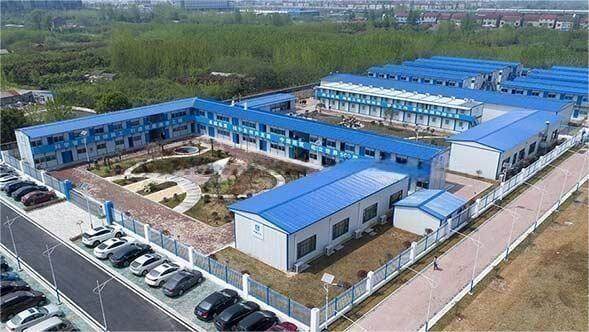
Top 5 Engineering Challenges and Solutions for Container Van Dormitory Projects in the Philippines
Introduction
The Philippines has emerged as one of Southeast Asia's most promising markets for prefabricated container dormitories. Driven by a booming infrastructure sector, a growing mining industry, and frequent post-disaster housing needs, container-based workforce accommodations have become the mainstream choice.
However, constructing container dormitories in the Philippines requires balancing performance against significant environmental risks. The country lies directly within the Pacific typhoon belt, facing multiple typhoons annually along with high temperatures, heavy rainfall, and intense salt spray.
Based on our experience supplying container dormitories for mining and infrastructure projects across the Philippines, here are five key engineering challenges you'll face—and proven solutions to overcome them.
Challenge 1: Wind Resistance & Waterproofing — Withstanding Typhoons of 15+
The Problem
The Philippines faces strong typhoons and heavy rainfall annually. Standard container homes are vulnerable to roof lifting, deformation, and overturning during typhoons—leading to property damage, project delays, and risks to personnel safety. Wind resistance and waterproofing must be treated as critical priorities.
The Solution: Engineered for Wind Resistance
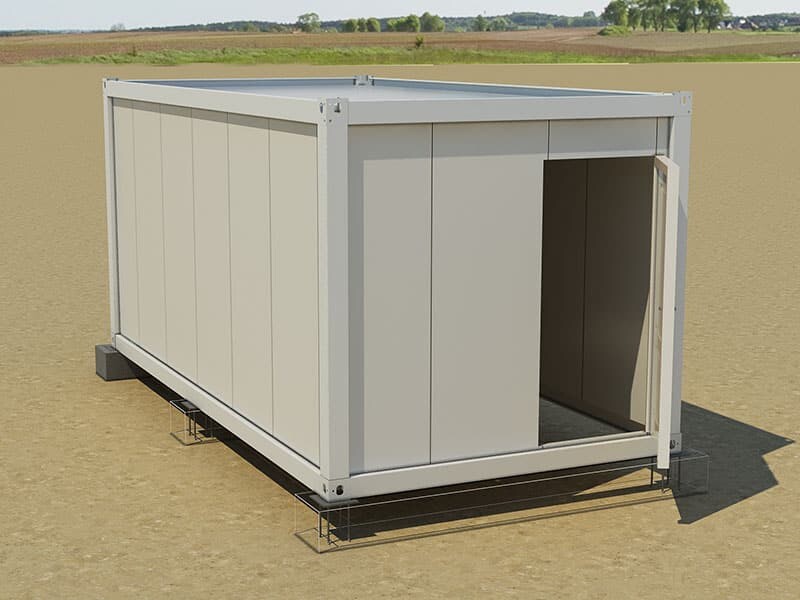
Wind resistance performance depends primarily on structural design and engineering calculations. A standard 3m x 6m living unit made of 2.3mm thick high-strength weather-resistant steel, weighing approximately 1.5 tons, can withstand wind speeds up to 110 km/h — equivalent to a wind pressure of 1.62 kN/㎡, or aboutTyphoon Level 15.
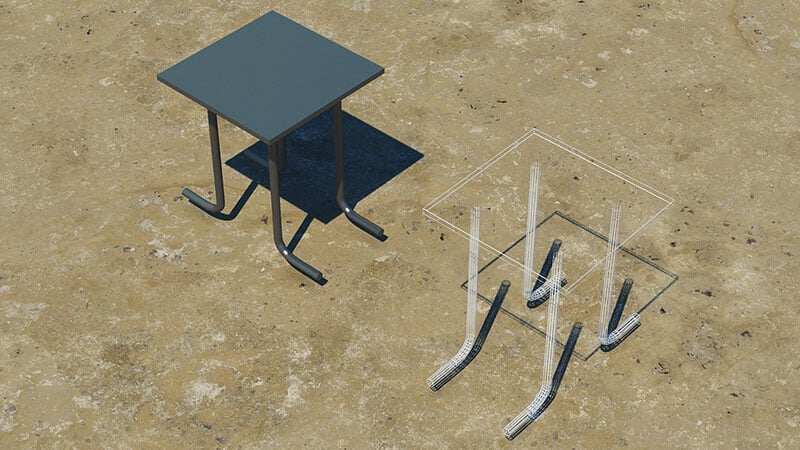
For projects in typhoon-prone areas where wind speeds may exceed this threshold,foundation reinforcementis required:
Pre-installed anchorsare embedded in the foundation during concrete pouring
When installing the container unit, securely fasten the ground structure to these anchors.
This method effectively resists vertical uplift forces, significantly improving stability during severe typhoons.
The Solution: Smart Waterproofing
Roof design: Higher center with edges sloping downward on all sides
Gutters and DownspoutsInstalled around the perimeter with downpipes inside the four columns
Natural drainageRainwater flows down the slope into gutters, then drains through downspouts to the ground—preventing pooling and leaks.
Seal: Seal all wall joints with strips and apply waterproof membranes to the roof
Result: Even during the Philippines' long rainy season, interiors stay dry and comfortable.
Challenge 2: Foundation Construction — Stabilize at Low Cost
The Problem
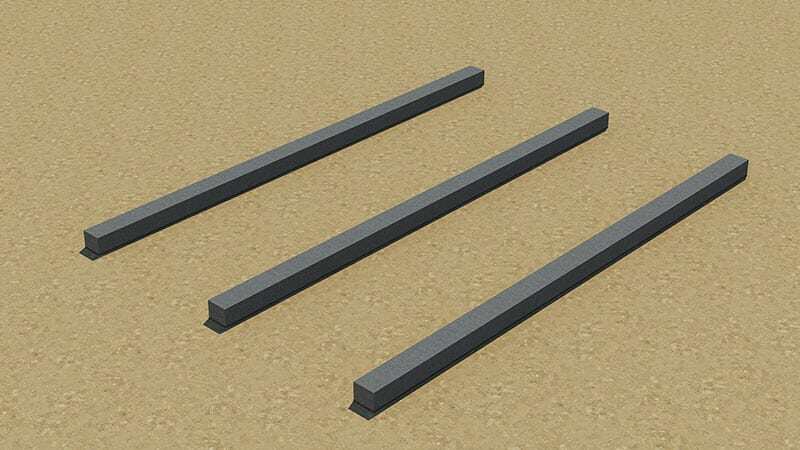
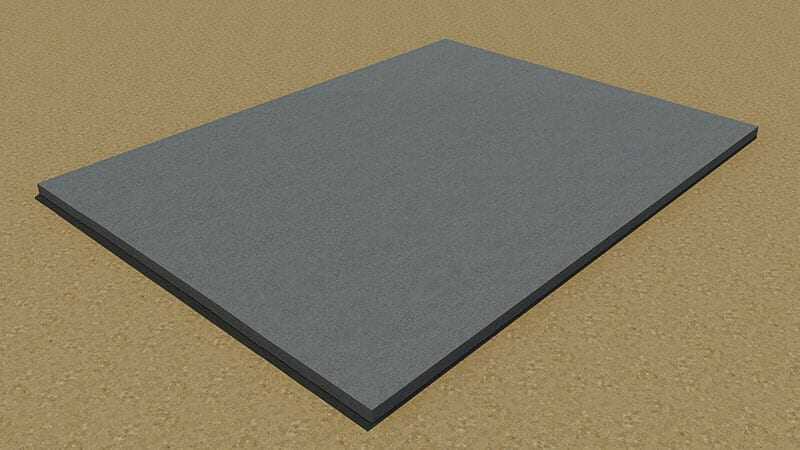
Container dormitories can be installed on sites with vastly different ground conditions. Pouring large concrete slabs for every project is costly and often unnecessary.
The Solution: Custom Foundation Options
The approach is straightforward: avoid unnecessary hardening and tailor the foundation to actual ground conditions.
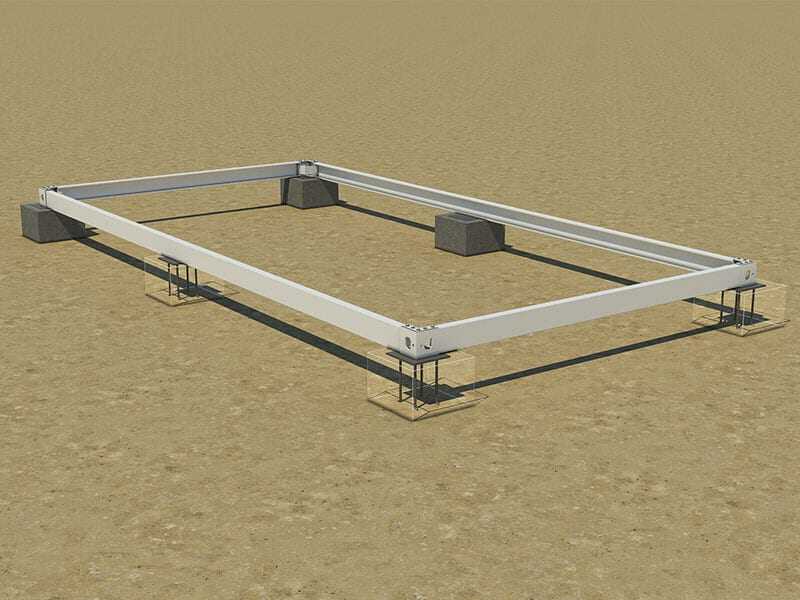
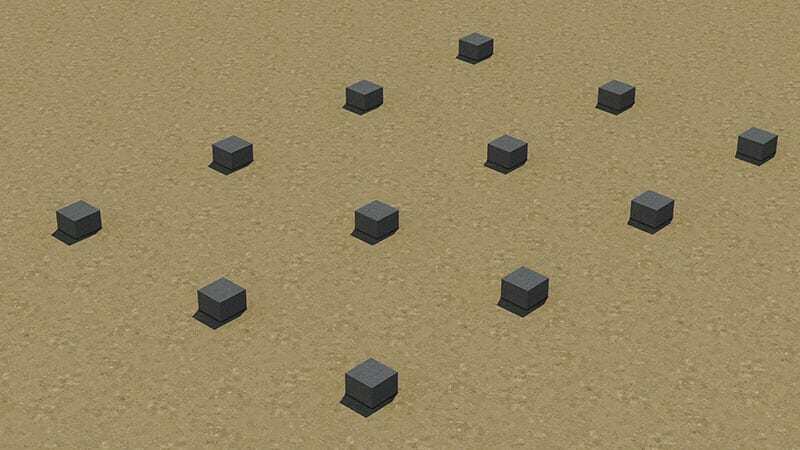
Option 1 — Independent Point Foundation:
Concrete is poured only in small areas beneath load-bearing points.
Remaining ground stays undisturbed
Significantly lowers upfront site preparation costs compared to full slab foundations
Raises the container to prevent water pooling underneath during the rainy season.
Option 2 — Screw Pile Foundation:
Adaptable to multiple soil types
Available in multiple lengths
Built for rugged terrain, now proven across diverse sites
Option 3 — Reinforced Foundation for Typhoon Zones:
When project sites require extra wind resistance, embedded anchor systems deliver the necessary hold-down strength.
Challenge 3: Budget Control — Maximizing Value
The Problem
Construction costs in the Philippines can escalate rapidly, particularly with traditional building methods. Labor, materials, and logistics all contribute to budget strain.
The Solution: Modular Economics
Container dorms offer inherent cost advantages:
30-40% less expensivethan renting off-site housing for construction workers
Factory automationsignificantly reduces production costs
Material reusereduces overall construction costs
Bulk buying powerfor standardized components
For SME customers with tighter budgets, foldable containers and cost-effective container homes offer three key advantages:Low cost, high efficiency, and highly practicalFor large corporate customers, the focus shifts to durability and safety—investments that deliver value through reduced maintenance and extended service life.
Challenge 4: Thermal Insulation — Conquering the Tropical Heat
The Problem
Steel conducts heat rapidly. Without proper thermal insulation, a container building in the Philippines can become unbearably hot, especially in tropical climates. Temperatures inside untreated containers can swing from freezing to scorching within hours.
The Solution: Advanced Insulation Systems
Choosing the right insulation is a critical step in container home design. A high-quality insulation system delivers a more stable, energy-efficient indoor environment and enhances long-term building performance.
Rock Wool Sandwich Panels:
Made from natural basalt stone processed into dense mineral fibers
Non-combustible — ideal for projects with strict fire safety requirements
Excellent sound absorption — reduces outside noise in living and work spaces
75mm and 100mm thicknesses recommended for optimal insulation performance
PU (Polyurethane) Sandwich Panels:
Rigid closed-cell foam core reduces heat transfer
Ideal for modular buildings in hot climates
Lightweight design with strong moisture resistance
Low thermal conductivity reduces air conditioning energy consumption.
Additional measures:
Install vapor barriers to prevent condensation
Use double-glazed windows
Install sunshades or roof overhangs
Challenge 5: Construction Timeline — Speed Without Compromising Quality
The Problem
Traditional construction in the Philippines can take months or even years, delaying project occupancy and ROI.
The Solution: Factory Prefabrication + Rapid Onsite Assembly
Since the container is a modular unit, construction primarily involves assembling components, combining different configurations, and applying interior and exterior finishes.
Complete projects in just a few weeks
Factory and on-site work proceed simultaneously— Site preparation occurs while modules are being manufactured.
Pre-installed electrical and plumbingminimize onsite work
A real-world example: A two-story flat-pack container home in Cavite Province, Philippines (150 sqm) was completed in just15 business daysfrom foundation to fully finished home.
Conclusion
Building container dormitories in the Philippines comes with real challenges—but each one has a proven, engineered solution. By addressing wind resistance, waterproofing, foundation design, thermal insulation, and construction timelines with the right approach, your project can deliver safe, comfortable, and cost-effective workforce housing.
Key takeaways:
Choose2.3mm+ high-strength steelwith engineered wind load calculations
Implementintelligent drainage systemsand full sealing
MatchFoundation type based on ground conditions— don't over-engineer
Selectrock wool or PU insulationbased on fire safety and thermal requirements
Leveragefactory prefabricationGet 50-60% faster delivery